
Depression Relief Starts Here!
Your complete AI guide to managing & overcoming depression with TMS (Transcranial Magnetic Stimulation) Therapy.

What is TMS Therapy?
TMS (Transcranial Magnetic Stimulation) is a safe, FDA-cleared treatment for depression that uses gentle magnetic pulses to stimulate areas of the brain responsible for mood. It’s non-invasive, drug-free, and done right in the office—no sedation, no downtime. Many people start feeling better in just a few weeks. If medication hasn’t worked for you, TMS might be the breakthrough you’ve been looking for.
“I would recommend TMS to anyone who is struggling with depression and anxiety, it is a great tool to have and I am so beyond happy that I did the treatments”
– Kal C ★★★★★
Is TMS Therapy right for me?
TMS is designed for people with treatment resistant depression, who feel like they’ve tried everything—therapy, multiple medications, and still can’t shake the weight of depression. It’s for those battling daily sadness, loss of motivation, or emotional numbness, even when life seems like it should feel better.
If side effects from meds are wearing you down or nothing seems to truly work, TMS offers a different kind of hope—a gentle, drug-free approach that focuses on the brain itself.
“I had great and amazing results with TMS and I have and will continue to share my experience and encourage people who struggle to do TMS!!”
– Gina H. ★★★★★
Is TMS Therapy Effective?
Yes—TMS has been proven to help people with depression who haven’t found relief from medication. Backed by years of research and FDA clearance, many patients experience significant improvement, and some achieve full remission. It’s a safe, targeted treatment with real results—and for many, it’s life-changing.


Is TMS Reimbursed By My Insurance?
Yes—most major insurance providers cover TMS therapy for depression when other treatments haven’t worked. Coverage can vary by plan, but many people are surprised to find it’s more accessible than they thought. If you’re unsure, a TMS clinic can help check your benefits and walk you through the process, so you’re not navigating it alone.
What Can I Expect When I Start TMS Therapy?
- The process starts with a consultation, where we’ll learn more about your symptoms and determine if TMS is right for you.
- From there, our treatment coordinator will help verify your insurance benefits and walk you through the next steps—so you’re never navigating alone.
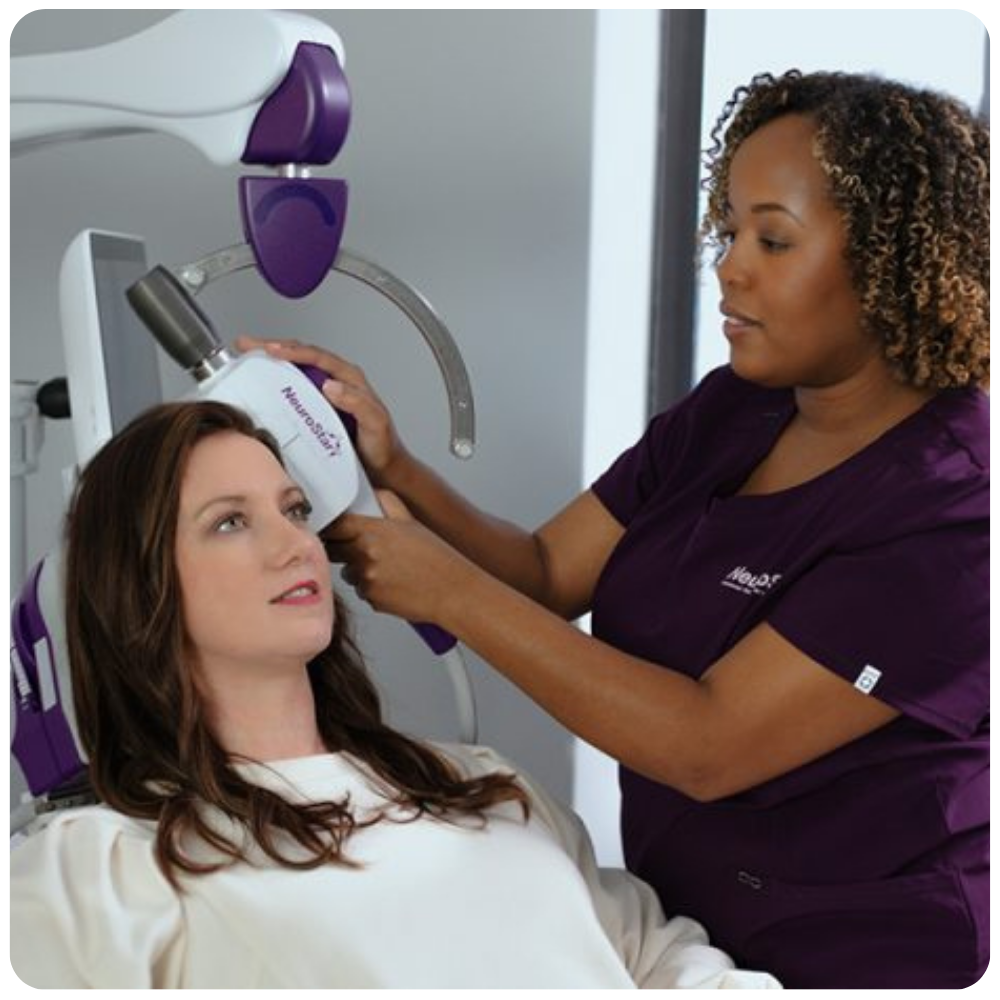
- Once approved, you’ll begin treatment in a calm, outpatient setting. Each session takes about 20 minutes, with no need for anesthesia or recovery time. You’ll come in several times per week, and our team will check in regularly to track your progress and support your journey to feeling better.
How Do I Get Started with TMS Therapy?
Getting started is easy.
Your first step is to schedule a consultation with a local TMS provider—right here on our website. During your appointment, you’ll learn more about how TMS works, see if it’s a good fit for your needs, and get help verifying your insurance coverage.
From there, our team will guide you every step of the way. If you’re ready to take the next step toward feeling better, we’re ready to help.
Copyright © 2025 • MyDepressionRelief.com | Privacy Policy | Terms & Conditions
The medical information on this site is provided as an information resource only, and is not to be used or relied on for any diagnostic or treatment purposes. This information is not intended to be patient education, does not create any patient-physician relationship, and should not be used as a substitute for professional diagnosis and treatment. Always consult your health care provider before making any healthcare decisions or for guidance about a specific medical condition.